

Story #13 – An Early Student: Clio Korn Wallace by Nancy Ng
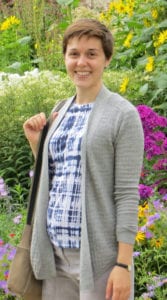
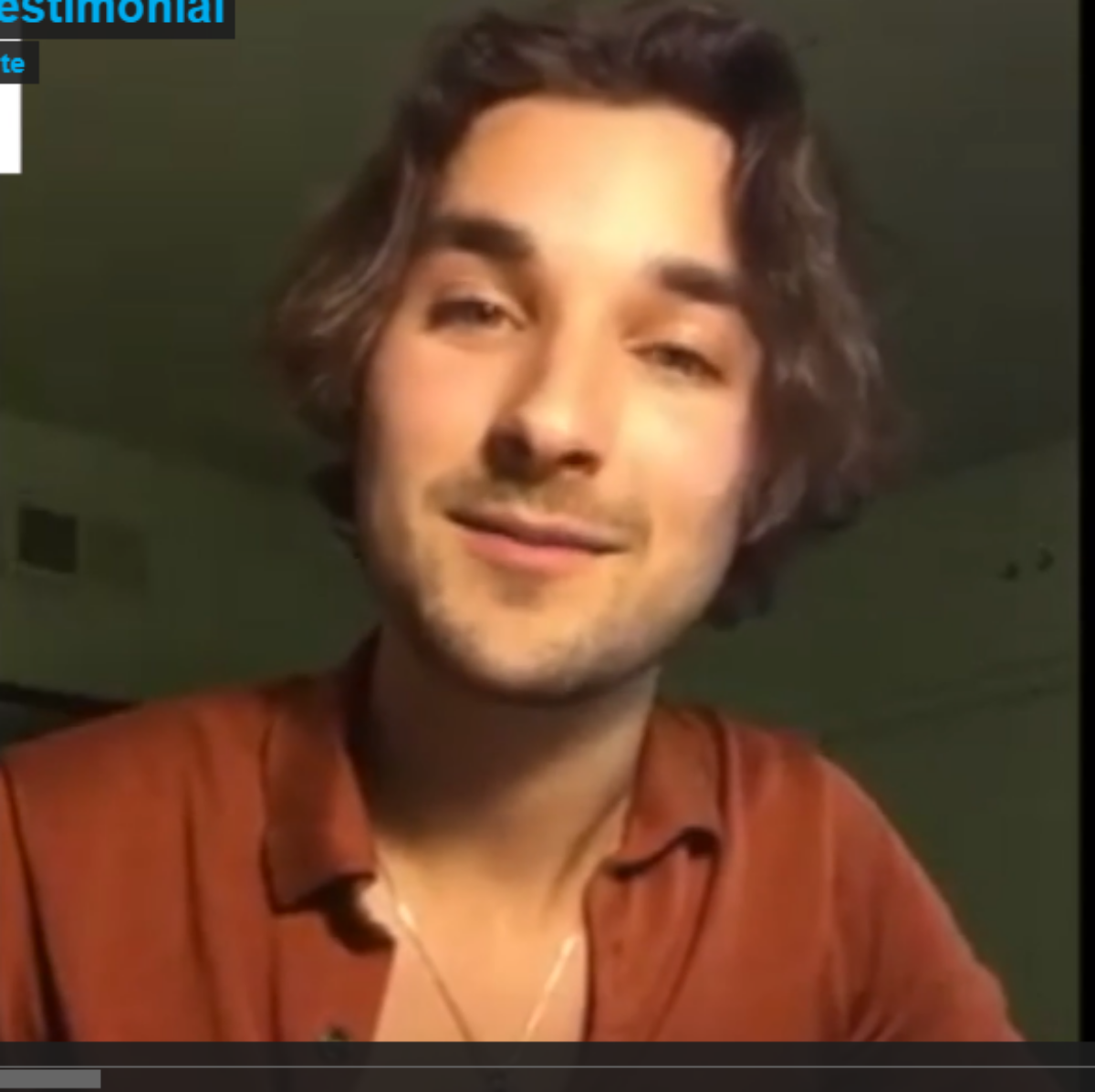
Clio Korn-Wallace is 28 years old now and will complete her PhD from the University of Oxford this spring. She was one of Luna’s first students 25 years ago. Clio’s dissertation is focused on the neurochemical dopamine functions across different brain regions to regulate motivation and decision making. This video of her is a “throwback” from 2010 when she was about to embark on her PhD program.
Now, Clio is incredibly busy applying for postdoctoral research positions. She hopes to secure a position in academia continuing with neuroscience research on dopamine, and gain experience teaching and working with science policy. She still dances—taking a ballet class fairly regularly, modern dance occasionally, and enjoys going out for an evening of salsa and blues dancing. Like many of the current students who dance with Luna, she has spontaneous pop-up dance parties in her home. Nancy Ng was Clio’s Luna teacher during her tween and teen years.


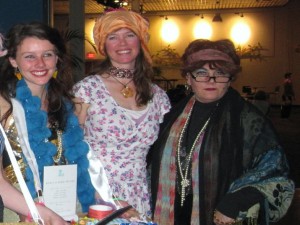 Jessica Bohn was the same age as her son Dashiell (12) when she first showed up with two friends, Bootsie & Reeves Battle, to take the adult modern-jazz class I taught on Tuesday nights at Somebodies! Dance studio on Telegraph Avenue. At the time (1982), I was delighted and challenged to consider how to integrate these brave and passionate young dancers into an intermediate dance class for grown-ups. All three teens stepped up with talent, determination and enthusiasm-Jessica brought a level of passion that belied her years.



 Interview & transcription by Heather Stockton
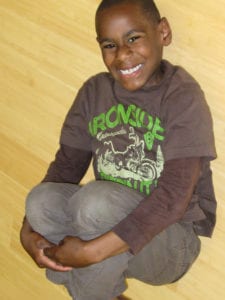 Jared Hassan is a 10 year old musician who plays global percussion instruments and the saxophone with Bay Area Youth Arts. He has an amazing “musical ear”, and his music teacher says he is the , “ . . . . reincarnation of Thelonious Monk and Charlie Bird.” He studies in the advanced music class with Bay Area Youth Arts and has performed at Yoshi’s and for Congresswoman Barbara Lee with their youth ensemble. Jared’s mother, N’sombi is featured with her son in the book, “Thicker Than Blood”, a picture book which tells the stories of adoptive families, written and curated by a University of California Berkeley photography major. I first met Jared, seven years ago at an MPACT class at the West Oakland library.