

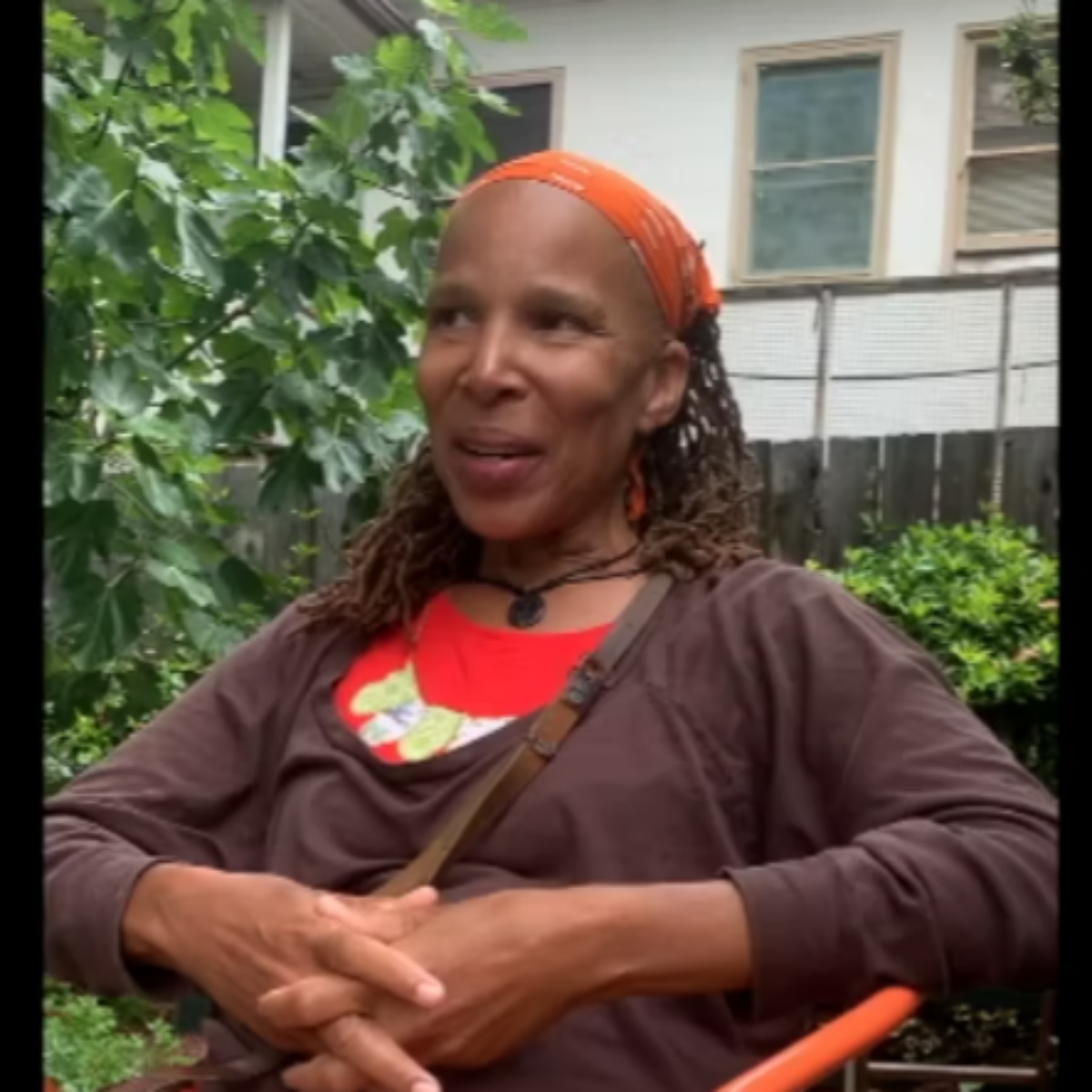
Can you talk about what emergent curriculum is for you?
Rossana’s response:
I plan the classes in advance and I have a structure to help me guide the work. In a typical situation, my class includes a gathering, a warm-up (normally I use the Brain Dance adapted to the theme of the class), an exploration, improvisation, show and reflection and a closing circle. So that’s my basic structure, but I can make changes in the moment I am teaching based on what I see during the class. So I can change the order of the class and I open space for ideas, movements, and suggestions coming from the kids. So, emergent curriculum is a way to incorporate what emerges during the class coming from the students – their movements, ideas, and suggestions.
Let’s think about a concrete example: The theme of my class is the ocean water and the ocean animals. During the exploration, I’ll give some prompts encouraging kids to move like the water in the ocean in different ways – like a big wave at the beach, or a small one; water that is very calm or very fast, swirling, etc. When kids are moving, I’ll name the movements I see and I can bring some of them to be explored by the whole group.
In another moment, I’ll talk about ocean animals for them to explore – the fish, the starfish, the dolphin, the whale, etc. This is a perfect moment to ask kids what other animals we can think about and then explore their movements. The children always have good ideas, because they are fascinated by the animals and their movements.
Another example happened with me in a class with 3 and 4 years old, when we were exploring heavy and light movements. To encourage kids to feel the light quality, I gave them scarves, so they could explore the light movements in many ways. But, to my surprise, they put the scarves on their head, they wrapped themselves up their waist, they made themselves look like they were wearing Superman capes. So, I allowed them to use the scarves in all the ways they want, because that was their curiosity at the moment.
I hope I answered your question about emergent curriculum. Thanks for asking about it – it made me reflect on that subject.
Do you have any secrets about how to start dancing for/with children?
Rossana’s response:
I think I have some secrets or suggestions to start dancing with children:
The first one is making a plan/structure for the class: decide what’s the theme, what are the goals, define what you want to do in each section of the class and if you are going to use props/objects or not, etc. But be open to change and adapt your class based on what emerges in the moment coming from the kids.
Don’t be discouraged if your children are not so engaged and able to explore what you bring to the class and want to do something a bit different. Some days you leave the class feeling great, because things worked well, and some days you feel sad and have doubts about your teaching capacity. It’s part of the game and we learn a lot with these challenging experiences.
It’s important to name what you see during the class. I like to name the students’ movements like: “I see John moving very slow”, “I see Karen jumping high”, “ I see Trisha shaking her head and arms”, and so on. Naming the movements is a way for kids to be seen and also helps them to learn to put words into their movements.
I always open my classes with a moment of gathering, when we talk about the theme for that class and I ask the kids questions so they have an opportunity to show what they already know, which they love.
At the end of class, we make a circle and I ask them what they learned in this class, or what was more fun or what was more challenging. If class was about light and heavy movements, for example, I will ask what they prefer: light or heavy. It’s a great way to get feedback from kids, which helps me in my reflection process.
After the class, I take some time to reflect about it: what worked well, what didn’t work, new ideas for the next class, what kids said during the closing circle. It’s very helpful to guide my planning, make changes, and bring new ideas.
These are ideas I have been using in my classes over the years and they’ve helped me to connect and engage with kids. I hope they are useful for you. Thank you!!
Can you talk about emergent curriculum? Do you still feel like a teacher when you’re taking the lead from your students? How does your role as a teacher change?
Alisa’s response:
Emergent curriculum and inclusive practice have a nice partnership. Imagine you are teaching a preschool dance class and your goal is to learn different locomotor movements, but all of the children want to move as if they are flying, just like the flying animal unit they just learned about! What a great opportunity to integrate those ideas of what they already know and relate to, and let go of the locomotor-only focus. I think it is safe to say that the majority of us need a sketch or a plan before entering a teaching scenario. The beauty of that plan is that it may trigger a learner to take you (the teacher) down a whole other path of learning that you had not intended, but can have a really successful result. Teachers are also learners and even if the curriculum shifts down a different path, it is our job (as the teachers) to go on that journey, if possible. Perhaps that is the path to better inclusivity? The role of the teacher may shift and feel different but by allowing an idea to grow more fully through the lens of a learner seems like a successful outcome. It is easy to feel uncomfortable with this idea but I highly encourage trying it out and see where it lands you.