
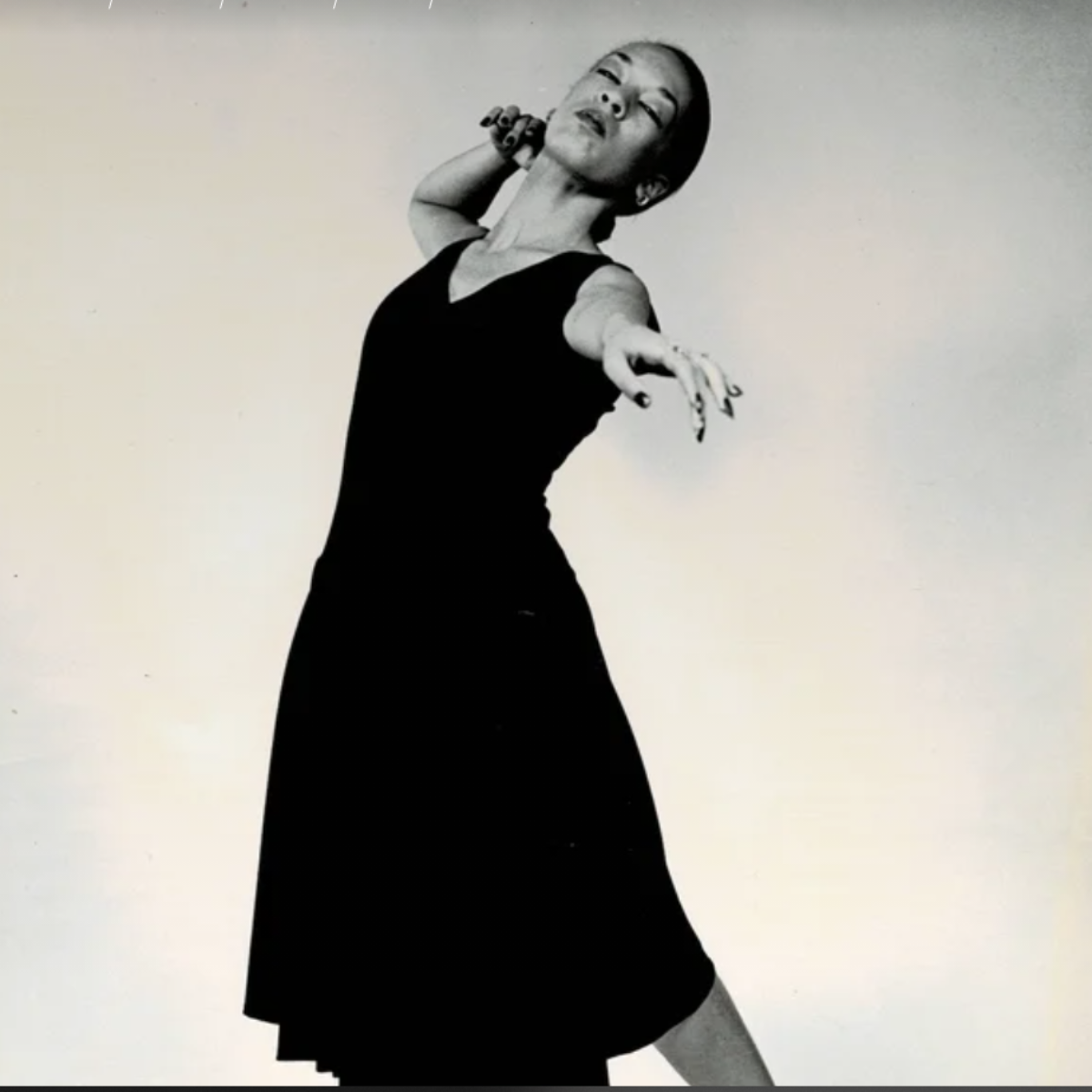
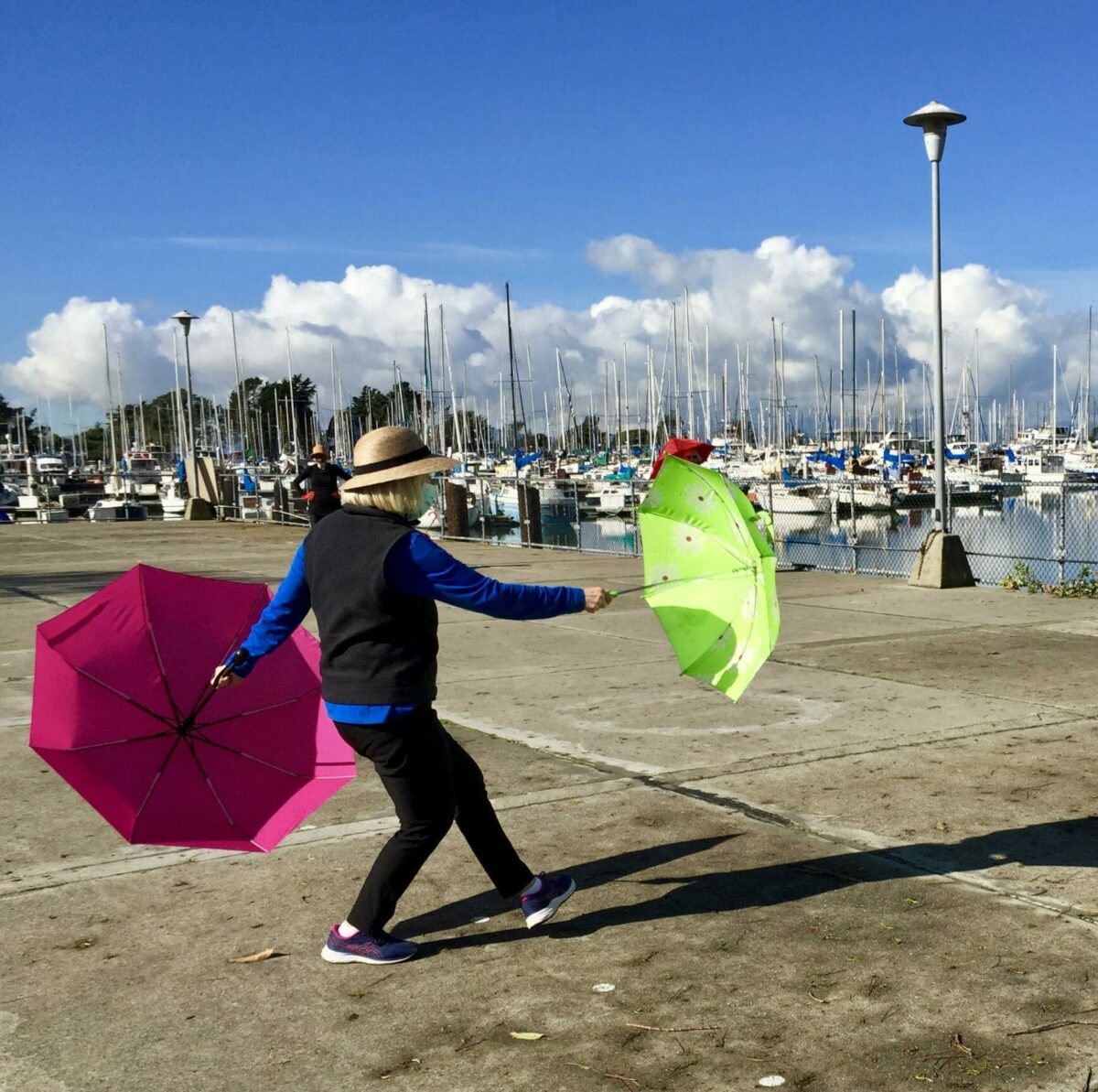
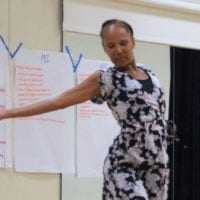
“Our elder women’s ensemble Impromptu No Tutu did not miss a beat when we were shut down. I learned Zoom on a crash basis on March 17, 2020 and then taught it to many members who had never used it and had older computers. Even without ideal viewing conditions everyone showed up every week for class. Meeting on Zoom has brought us closer. Many members of the group live alone and the class was a weekly infusion of wild creativity and community. I used the Zoom rectangles as something to stretch against, to break out of “the frame,” moving fully into the kinesphere at home. Movement brought us an exhilarating expansiveness in our separate spaces. Gradually we started meeting outdoors at the Berkeley Marina once a month, masked and “dis-dancing”. In June when we held our first elated maskless class in a park in Albany it was clear that surviving the pandemic together through movement has strengthened us for the future in every way.”
Meeting on Zoom has brought us closer
Greacian Goeke she/her
Teaching Artist, Impromptu No Tutu
Bay Area
Taught asynchronously, synchronously, and in-person outside, masked & distanced at Berkeley Marina, Oakland Township Commons, Albany parks
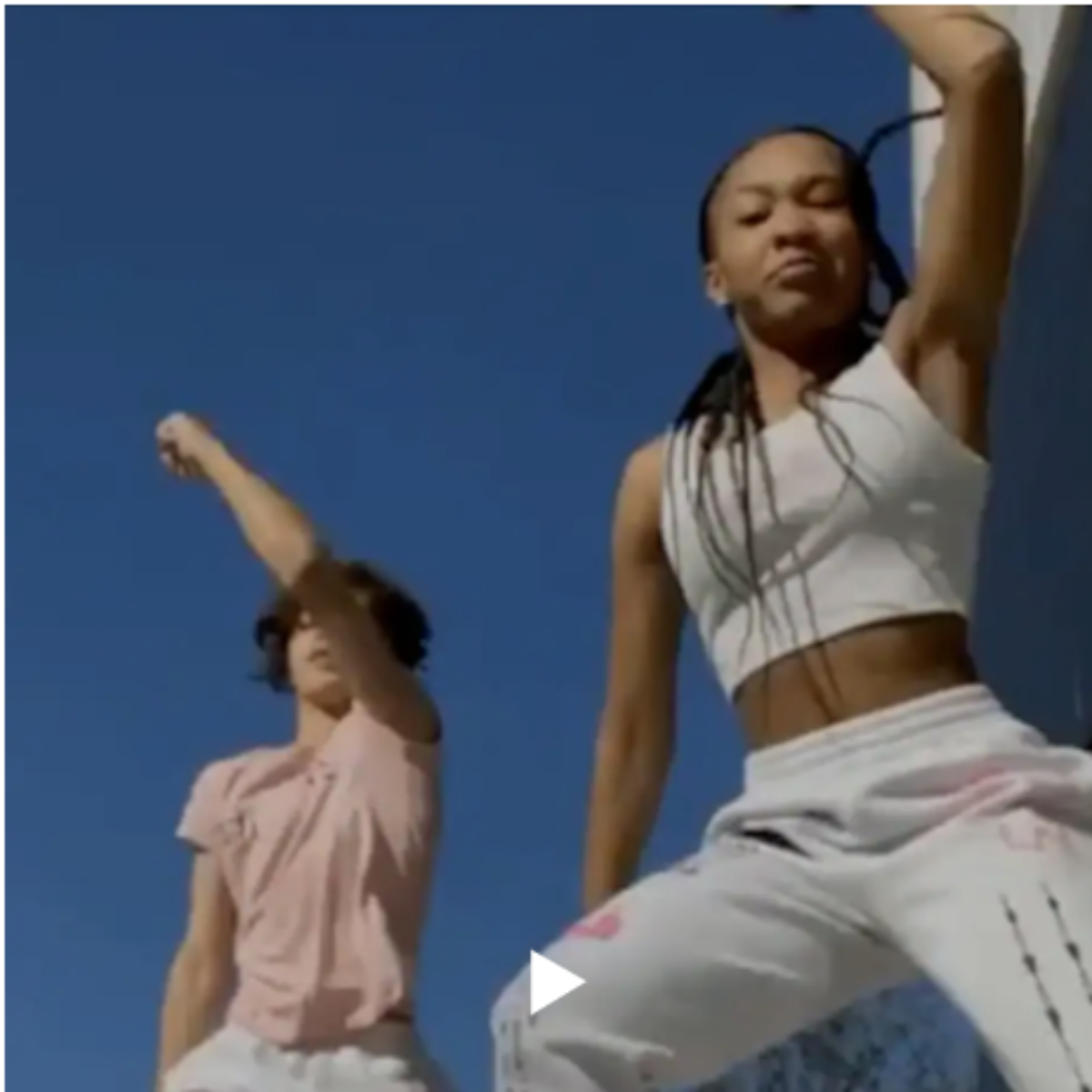
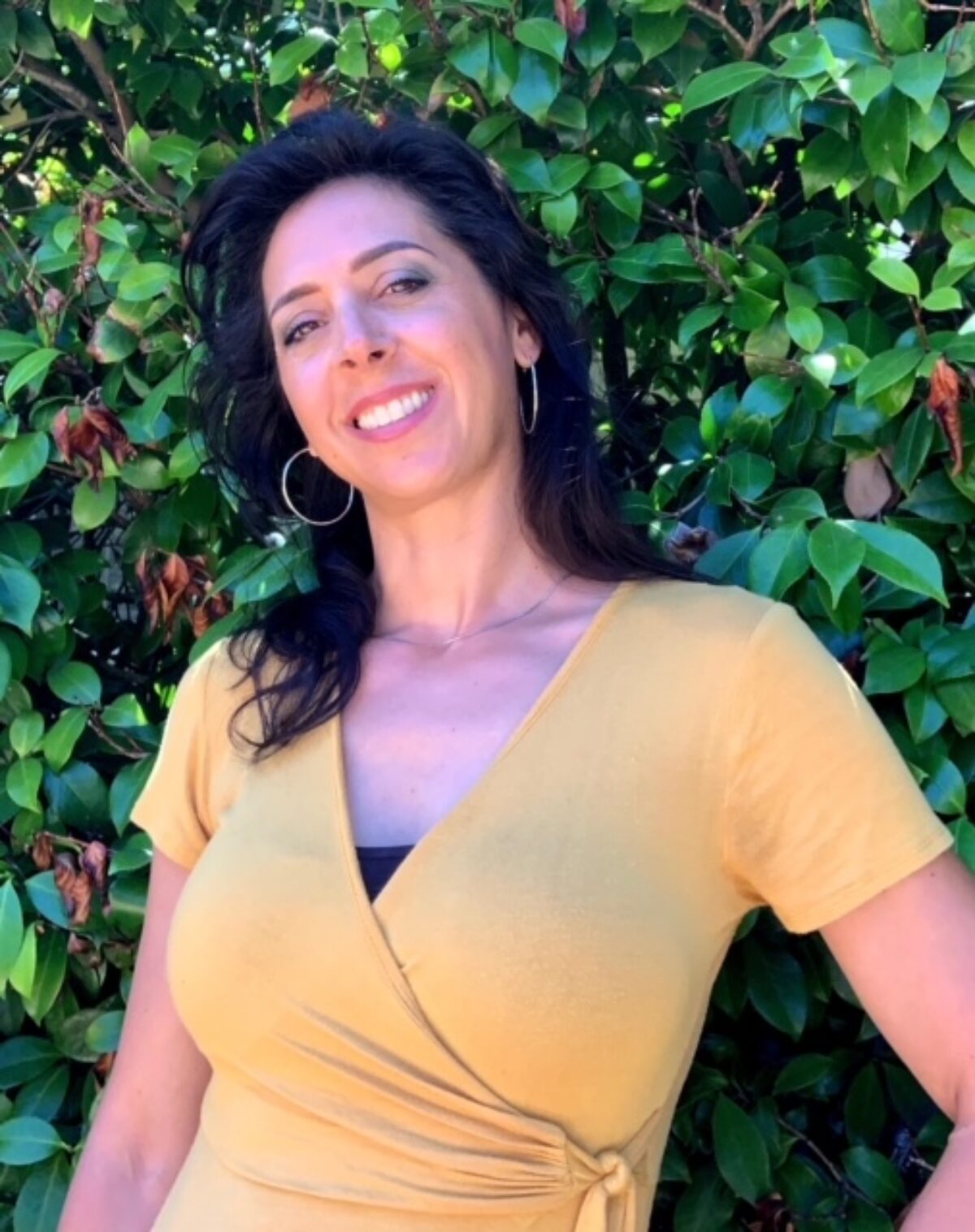
I started to see the humor and humanity and the commonality we all had
“One of the greatest challenges I faced was becoming well-versed enough in technology to create positive, relevant and meaningful classes through distance learning. I clearly remember the first time I faced the camera, thinking how impossible, sad, weird, bizarre and wrong it felt to be staring at a screen of heads, in my living room and trying to create an experience for my students through movement and music. Aside from these emotions, I had NO IDEA how to share my screen, mute, unmute, get on and off Zoom and Google classroom correctly, and was constantly finding difficulty with some variation of technology. I remember clearly thinking to myself that this was the way it was going to be for a while so I had better try my best and slowly, and I do mean slowly, I rose to the challenge. I started to see the humor and humanity and the commonality we all had facing this pandemic together in the arts online, and I began to see how the arts could STILL fill the great voids felt all over the world on so many levels. I figured out my lighting, created cool Zoom tricks, fun phrases, crazy games, dance choreography and compositions, warm-ups, team-building, and finally started to get into the groove after the third or fourth month of the pandemic. I can’t believe, looking back now, how almost a year and a half ago I knew absolutely nothing about technology and tools for teaching online, and how now, I’m proud to say I mastered myself, the screen, and feel ready for almost any future technology challenge!
I want to just reiterate how the arts have been a gift for me and my students during the pandemic and how Covid highlighted, more than ever, that all art forms are relevant at all times, especially during crises. I observed so many students come out, some just slightly and others in huge ways, of their shells and open up to me, each other and the world of dance and music through this past year. I ran through the roller coaster of emotions, just the way my students did, concurrently feeling the angst, joy, pain, uplift, release and all the other host of emotions that came along with Covid. It felt like a true privilege to be a teaching artist during these times and I feel even more encouraged than ever to keep doing what I do.”
Kirah Caminos
Teaching Artist
San Francisco elementary and pre-K public schools
Taught asynchronously, synchronously, hybrid, and in-person, outside, distanced & masked
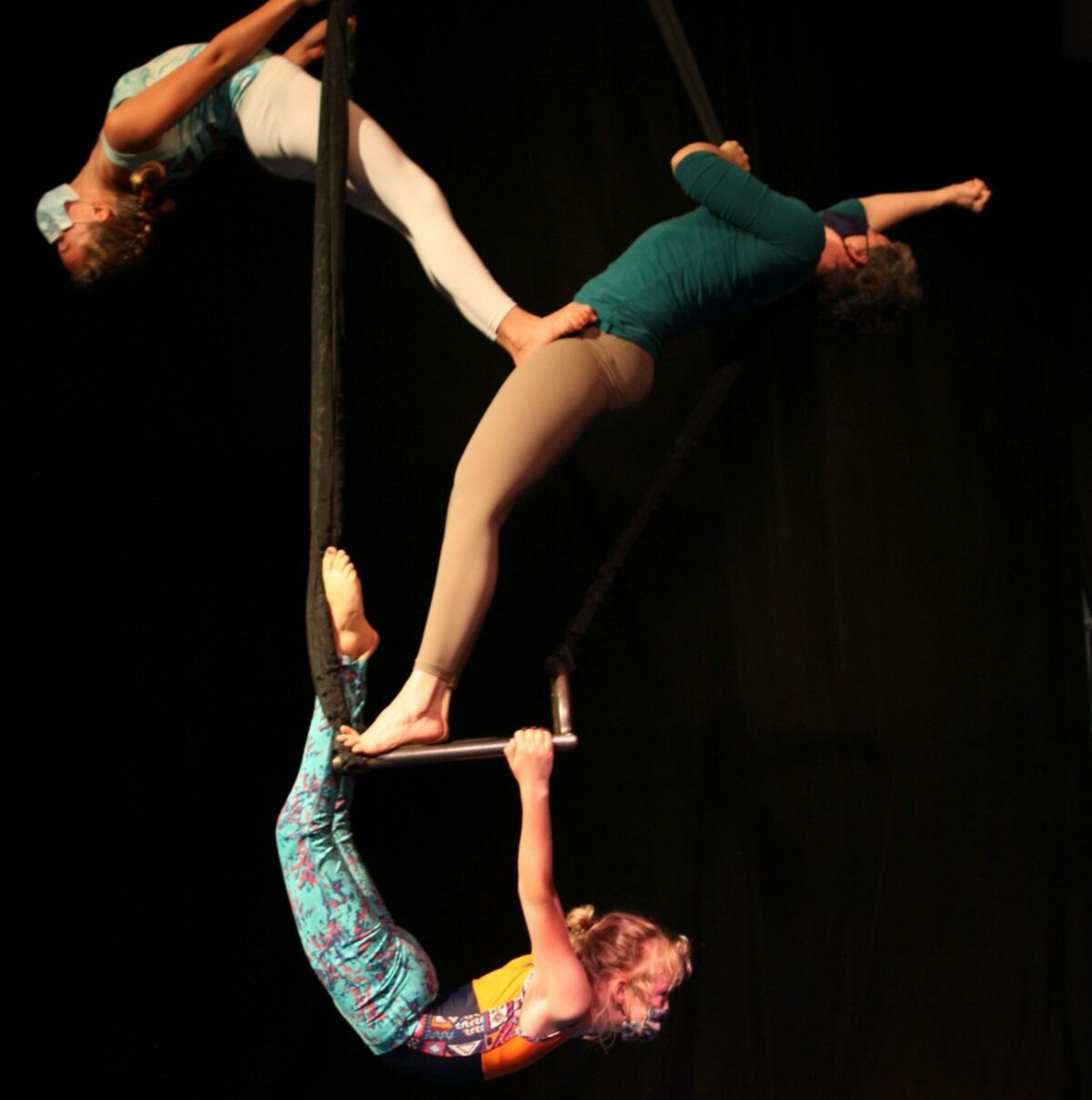
Tiny audiences rotated from studio to studio
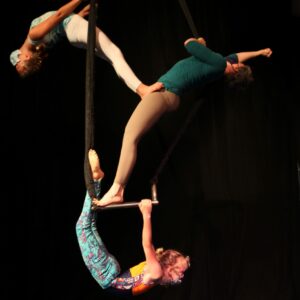
Sonya Smith
Director & Teaching Artist at Le Cirque Centre
Ashland, OR
Summer Institute Alum 2018
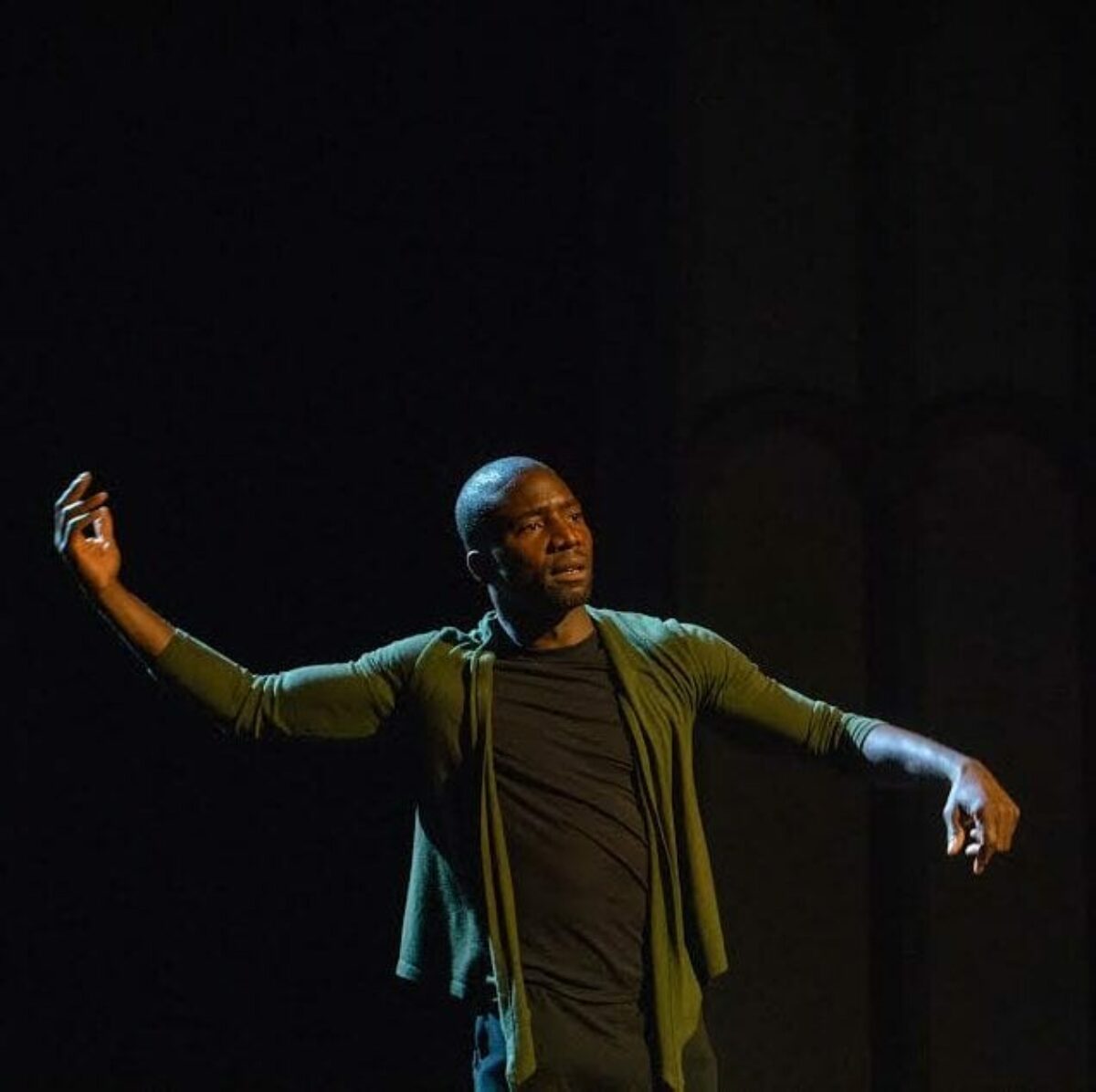
Zoom fatigue
“I’m most proud of my students’ willingness to have candid and, sometimes, impromptu conversations about their experiences with virtual learning. In one instance, I restructured an ensemble to accommodate students who no longer wanted to perform because of “zoom fatigue” and overall lack of motivation to perform. Instead, more than half of the class received credit for submitting a response to the showcase.”
Samad Raheem Guerra
Director of Word Dance
Ruth Asawa School of the Arts, San Francisco
Summer Institute Alum 2019
Taught synchronously and asynchronously
The choice to dance or eat an ice cream cone
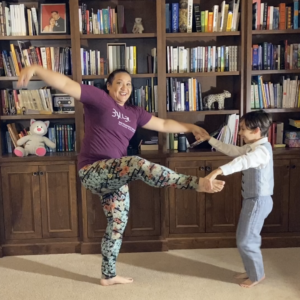
“I love that teaching kids on Zoom brought me into their homes and closer to their lives. We often had family members, pets, and stuffed animals join us. One moment that brought me joy was when one student, who had been completely engaged in our dance class was handed a double scoop ice cream cone by an adult in his home – in the middle of dance class! I wondered what he would do when faced with the choice to dance or eat an ice cream cone. Well, this kiddo didn’t miss a beat! He just kept doing every step of our West African dance with an ice cream cone in his hand. That’s how badly this dancer needed to dance!”
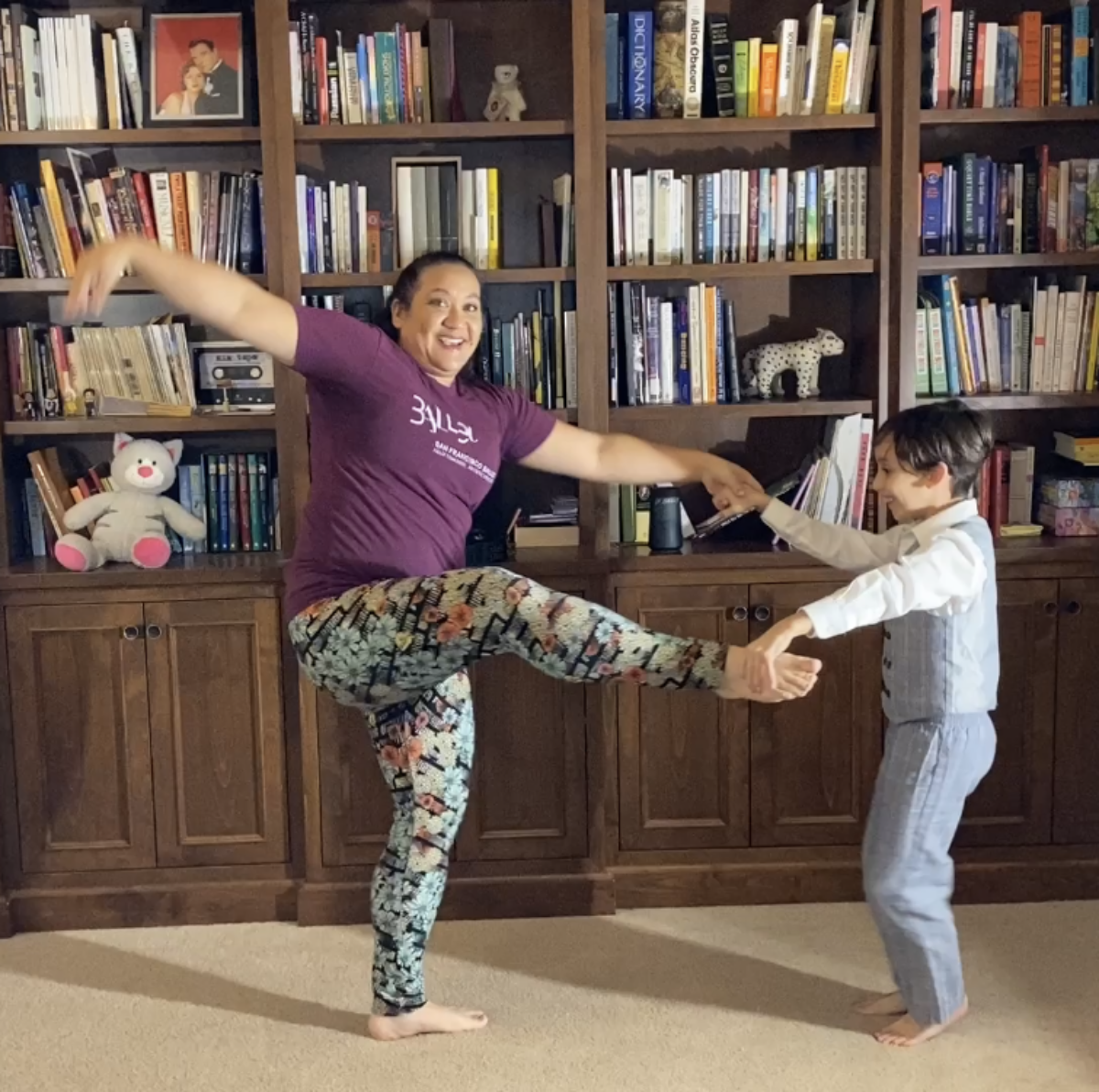
Photo from one of Genoa’s filmed-at-home-with-family asynchronous lessons.
Genoa Sperske (she/her)
Teaching Artist
SF Ballet Dance In Schools and Communities
Valley Dance Theatre, Livermore
Summer Institute Alum 2020
Taught asynchronously, synchronously, concurrently, in hybrid, and in person, inside distanced + masks.
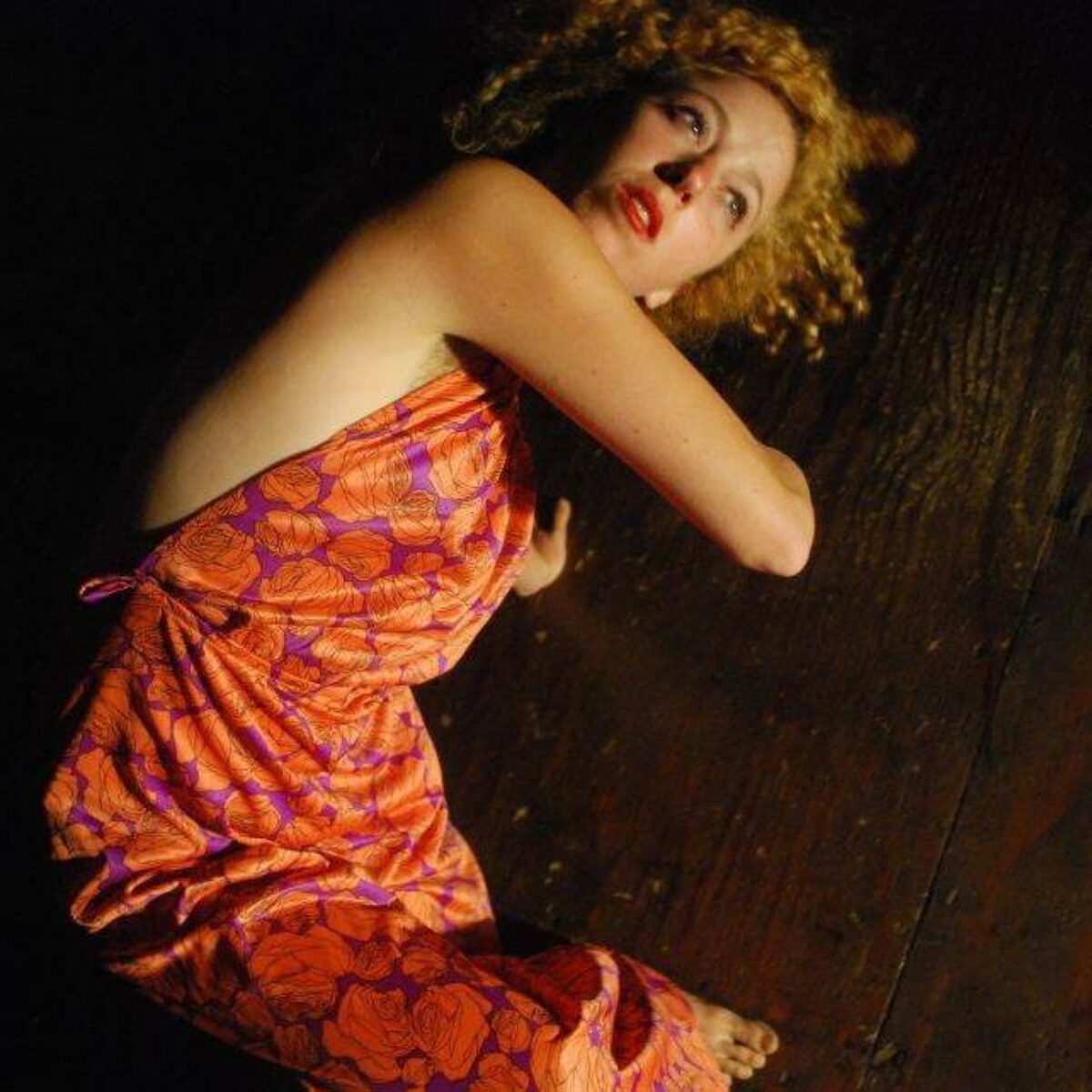
Somehow had us all laughing and moving dynamically by the end
Sam Stone (she/her)
Dance Teaching Artist
SF Arts Ed
Summer Institute Alum 2016
Taught asynchronously, synchronously and hybrid.
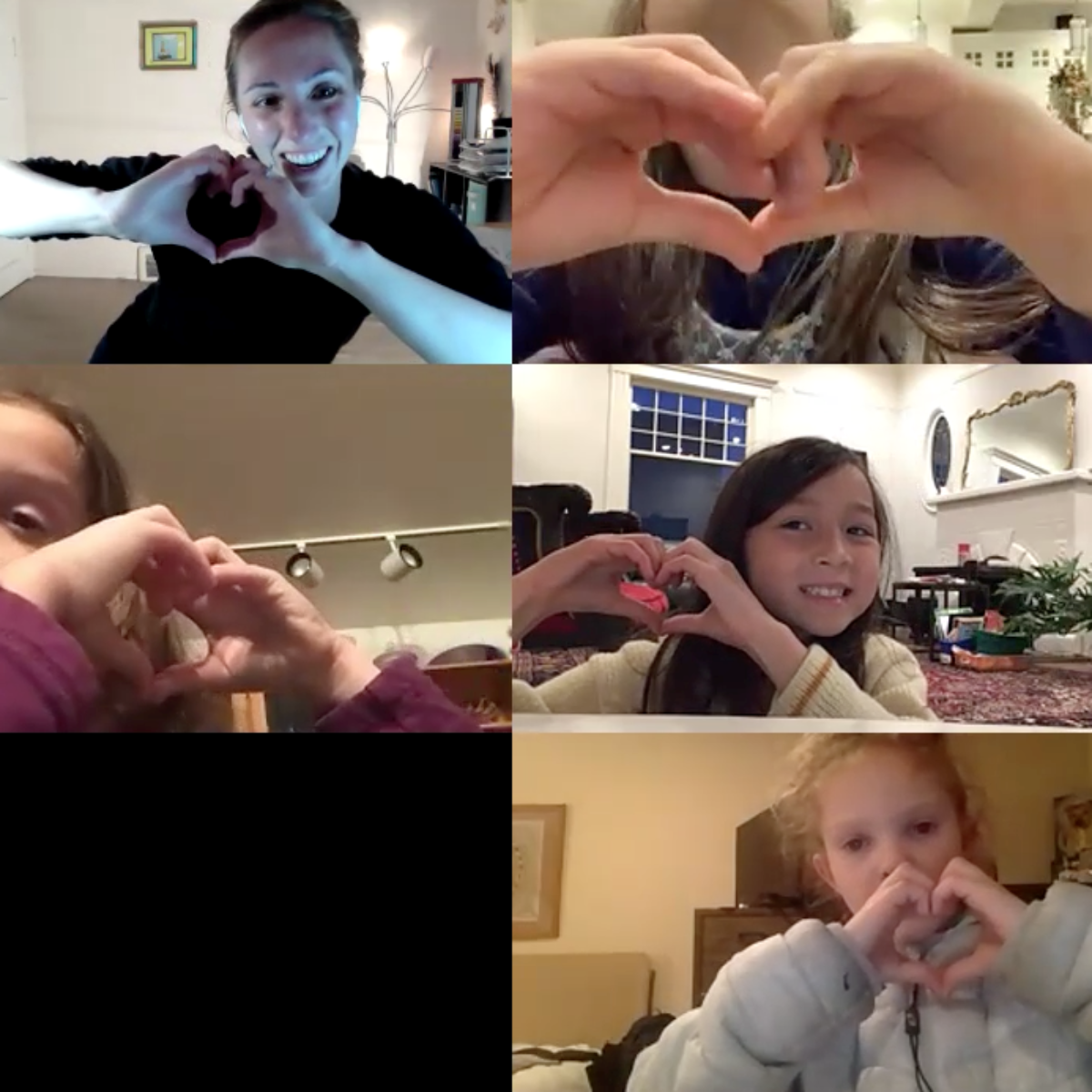
Brought out confidence I didn’t know I had
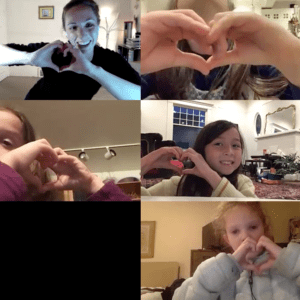
“I was concerned about reaching my students this year and staying connected with the dance community. However, the ability to try out new ways of connecting and being placed into new teaching settings brought out confidence I didn’t know I had. The creativity blossomed beyond teaching a dance class into interacting with the space around you, using the video camera as your audience, and engaging students with emerging curriculum. I see a future in the journey I started and am excited to continue exploring new ways of dance artistry and education.”
Simone is taking this creativity and confidence into her new dance organization, CANVAS Dance Arts, offering DANCEmix, a site-specific choreography and dance film camp this summer.
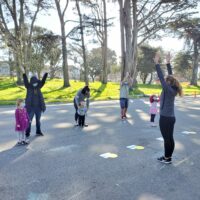
Simone van der Meer (she/her)
Dance Teaching Artist
Jewish Community Center San Francisco
CANVAS Dance Arts, co-founder
SI Alum 2020
Taught synchronously and in-person, outdoors, distanced + masked, and at farmers markets!
We made pizzas with our bodies!
“What a year! I felt like I grew to laser-in on key elements of movement. My overarching goals were to have students MOVE and find JOY in the movement. I had the usual early challenges – finding music, learning how to see students in little boxes, learning to translate the explore aspect of creative movement….
All changed and opened up when I brought a washing machine exploration to class. Prior to that I felt like I was not grounded in anything. The act of bringing in a very tangible real experience for students through dance brought so much kinesthetic connection to classes…and it kept on growing! We made pizzas with our bodies, pancakes, etc. There were so many ways we could explore and the dance teacher in me was giddy at the ways I could bring in dance vocab to the very Montessori-like party. I say “Montessori” only because we really took off bringing in real life home experiences, which makes sense because the students were at home.
My biggest smile came when I was sharing with 2nd grade students about my experiences at the beach and how some seagulls had surrounded my gathering because we left pizza on the sand. And they all unanimously agreed that we needed to turn that into a dance. And dance we did! It was glorious!
It was a challenging year having to distill the dance experience into 30 minutes, but it made me more mindful and clear as a teacher.”
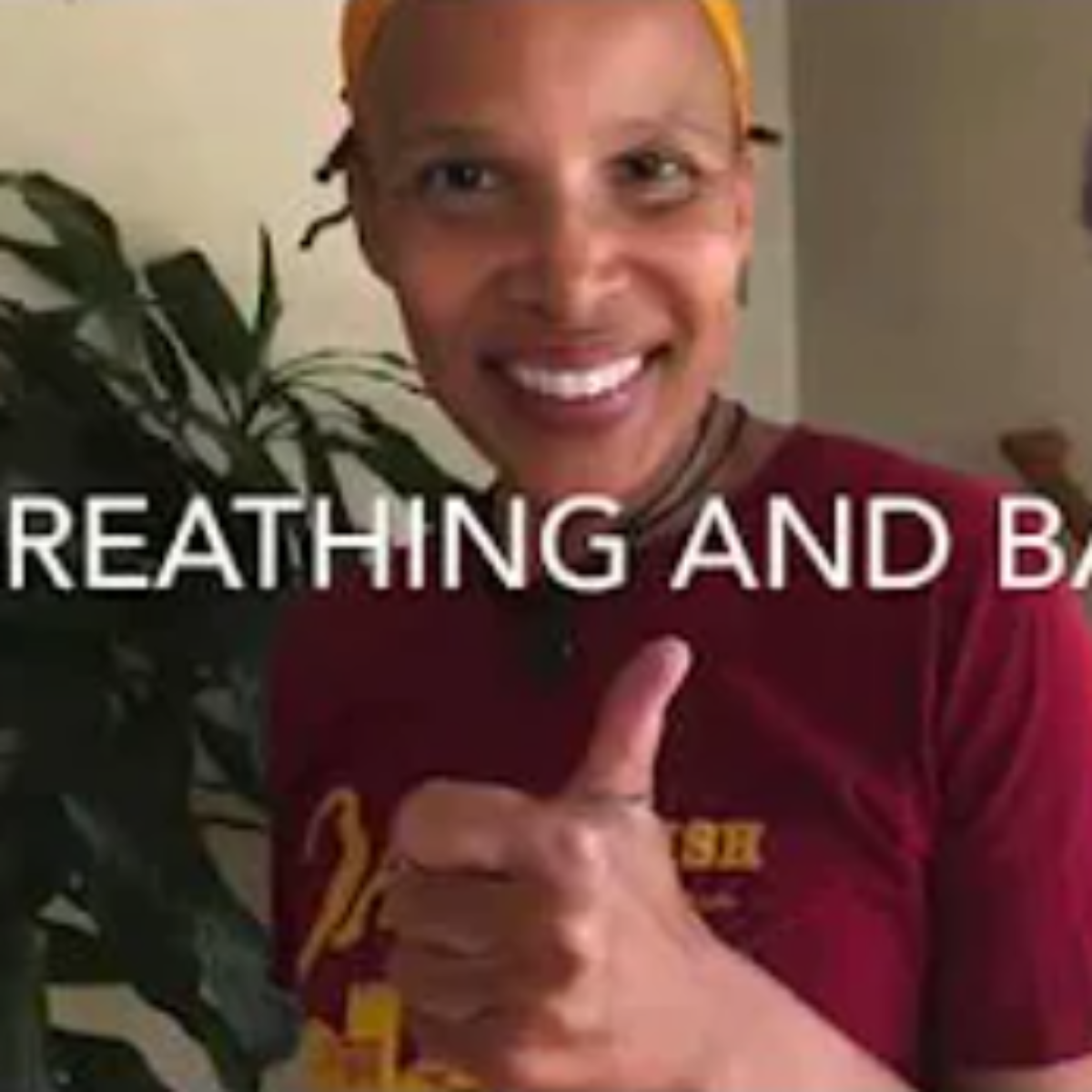
photo from one of Christine’s YouTube videos for students, “Breathing and Balance”
Christine Atkins
Elementary Creative Expressions Teacher
Oakland Unified School District
SI Alum 2016
Taught asynchronously through my YouTube Channel, and each class synchronously on a biweekly schedule. When my school switched to hybrid learning April 2021, I still taught synchronously in the mornings and came to site in the afternoons.